
· by Michael Blair, Nashville's Garage Door
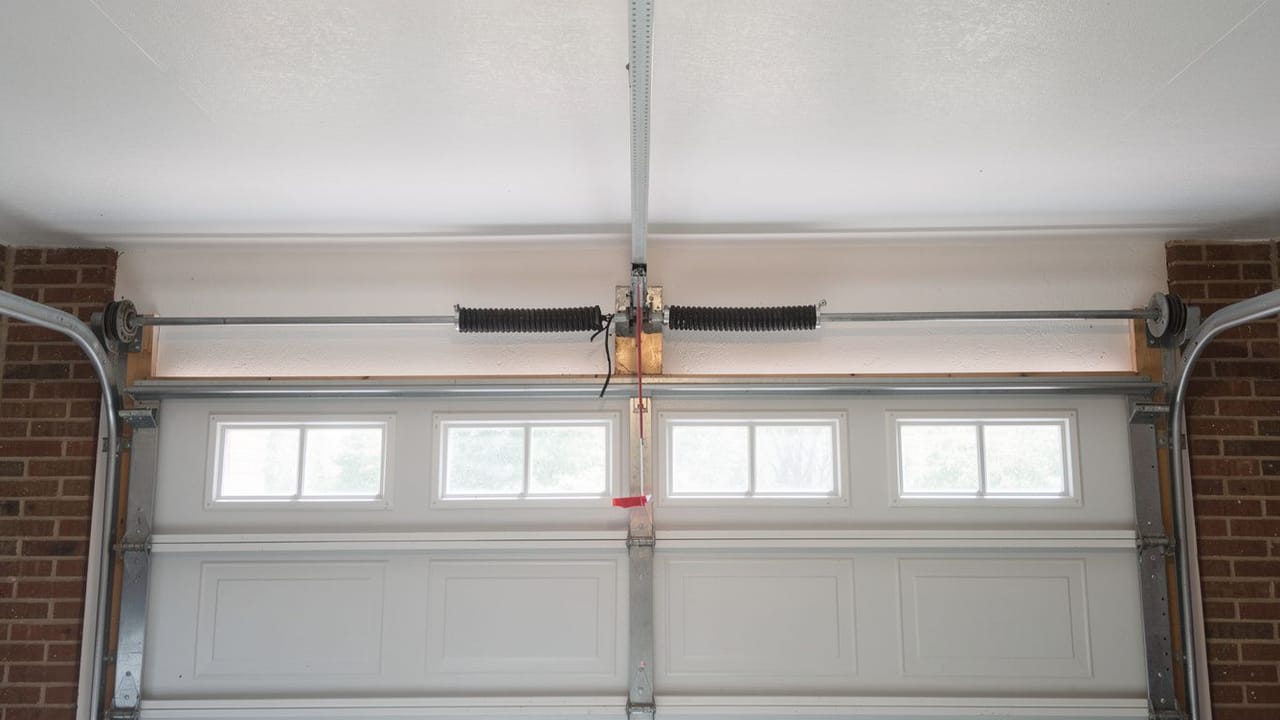
Garage door springs carry the door’s weight. Clopay’s guide to garage door parts describes torsion and extension springs as responsible for counterbalancing the weight of the door, the torsion kind winding above the door to store energy and the extension kind stretching alongside the tracks. Springs are counted in open-close cycles rather than years, and how hard a door gets used goes a long way toward explaining why two identical doors can need springs years apart.
How is garage door spring life measured?
The Door & Access Systems Manufacturers Association’s technical data sheet on spring cycle life treats a spring’s life as a count of cycles, and it points out that spring cycle life may not match the cycle life of the door itself. One cycle is one trip up and back down. The rating differs from spring to spring, so the number worth having is the one for the springs on your door. The arithmetic after that is simple: a door opened four times a day runs about 1,460 cycles a year, and one opened ten times a day runs 3,650, so the same spring wears out roughly two and a half times faster on the busier house.
Use is not the only thing that shortens the count. The same DASMA sheet says rust can leave corrosion pits from which fatigue cracks grow and cut cycle life, and that paint or anything added to a door can push its weight past what the springs were chosen to hold. It advises keeping doors closed where possible in climates with extreme heat or cold or frequent rain, since a door left standing open exposes its springs to swings in temperature and moisture, and it says regular lubrication, as the door maker’s instructions require, helps the springs reach their full life.
Why both get replaced
DASMA’s safety tips for garage door systems put it directly: if your door has two springs, replace both, even if one is not broken. The reason it gives is that this prevents damage when the second spring breaks and keeps the door working efficiently. On a two-spring door both have run every cycle together, so a pair is how our spring replacement service handles it.
Balance is the other reason. DASMA’s homeowner tips on garage doors say a spring system that is out of balance can cause premature wear and tear on other important door components, and its spring data sheet adds that a spring that does not meet the door’s counterbalance requirement can shorten the life of the opener motor. After new springs go on, the turns are set to the door maker’s instructions, because a torsion spring wound with too few lets the door drift down from the open position over time.
- Springs are rated in cycles, ask for the rating
- Keep the door closed when nobody needs it open
- Replace in pairs on a two-spring system
- Have the door rebalanced after replacement
- Have the lift cables looked over at the same visit
What are the signs a garage door spring is failing?
DASMA’s description of the warning sign is a door that does not go up and down smoothly and still moves awkwardly when you work it by hand, which can mean the spring system is out of balance. On a service call we also notice whether the door feels heavier than it did, rises unevenly or makes the opener strain, and we look for a gap in the coils of the torsion spring, the usual mark of a break. The cables get checked too: DASMA warns that frayed or worn lift cables are in danger of breaking, which can cause injury, and says they should be replaced only by a trained technician because of the spring tension behind them. That work falls under our off-track and cable repair.
A loud bang from the garage with no obvious cause can be a spring letting go. We would rather you left the door where it is until someone has looked at it, and our post on garage door noises goes through that sound and the others worth knowing.
Why this is not a DIY job
Clopay’s parts page carries a plain safety warning that working with garage door springs is extremely dangerous because of the high tension involved, and it tells owners to consult a professional for installation or replacement. DASMA takes the same position, that spring systems should be repaired only by trained professionals, and adds that the bottom brackets are under extreme tension because they connect to the springs.
The hazard is a recognized one. DASMA notes that an extension spring is under high tension while the door is down and may cause injury if it breaks, which is why it calls for a safety cable run through each one. Clopay also says professional installation keeps the warranty on its doors intact. If a spring on your door has gone, or you would like the pair checked before one does, ask us for a free estimate.
Sources
- Clopay, Garage Door Parts — Springs counterbalance the door’s weight; torsion and extension types; spring work extremely dangerous, consult a professional; professional installation keeps the warranty intact
- DASMA Technical Data Sheet #190, Factors Affecting Spring Cycle Life (2014, reaffirmed 2021) — Spring cycle life; rust and corrosion pits; door weight past spec; keep doors closed in harsh climates; lubrication; wrong spring shortens opener motor life; too few turns lets the door drift down
- DASMA, Garage Door Systems safety tips — Replace both springs even if one is not broken; frayed cables in danger of breaking; spring systems repaired only by trained professionals; bottom brackets under extreme tension; extension spring safety cables
- DASMA, Garage Doors safety tips — Awkward manual operation can mean an out-of-balance spring system, which causes premature wear on other door components
FAQ
Garage Door Springs and When They Break — questions
How long do garage door springs last?
There is no fixed number of years. Springs are rated in open-close cycles, so how often the door runs matters more than its age. DASMA also lists rust, a door heavier than the springs were chosen for, a door left open for long stretches and skipped lubrication among the things that shorten spring life. Ask for the cycle rating of the springs on your door and count how many times a day it opens.
Should I replace both springs if only one broke?
Yes, on a two-spring system. DASMA’s safety advice is to replace both even if one is not broken, which prevents damage when the second one breaks and keeps the door working efficiently. A matched pair also keeps the door in balance, and DASMA says a spring system out of balance wears other parts of the door prematurely.
Can I replace a garage door spring myself?
We advise against it. Clopay calls spring work extremely dangerous because of the high tension involved and says to consult a professional, and DASMA says spring systems should be repaired only by trained professionals. Clopay also notes that professional installation keeps the warranty on its doors intact.
Why do garage door springs break?
Mostly they wear out. A spring is rated for a number of open-close cycles, and every trip up and down uses one. Rust can leave pits where fatigue cracks start, and paint or anything added to the door can push its weight past what the springs were chosen for. A door left open and skipped lubrication shorten their life too.